Smart Renovation Ideas for Small Spaces

January 19, 2026

Renovating small spaces presents unique challenges and opportunities for homeowners, renters, and property investors alike. In today’s urbanized environment, where apartments and houses are increasingly compact, making the most of every square foot has become more than a design preference—it is a necessity. Small-space renovations demand creativity, strategic planning, and an understanding of space optimization to ensure that functionality, comfort, and aesthetic appeal are all achieved simultaneously. When executed correctly, these renovations can transform a cramped, underutilized area into a highly functional and visually appealing environment.


Beyond the obvious space constraints, small-space renovations also provide an opportunity to enhance property value significantly. Clever layouts, multi-functional furniture, and smart storage solutions not only improve livability but also appeal to potential buyers or renters who prioritize efficient and stylish living. Additionally, with sustainability and energy efficiency becoming central concerns, small-space renovations can leverage modern materials, lighting solutions, and energy-saving appliances to create an environmentally responsible living space. In this blog, we will explore actionable renovation ideas, expert strategies, and real-world examples to help homeowners make the most of their compact spaces while increasing both comfort and long-term value.

1. Maximizing Storage Efficiency

  • Multi-Functional Furniture

    In small spaces, furniture that serves multiple purposes is crucial. For example, beds with built-in drawers, ottomans that double as storage, and fold-out desks help reduce clutter without sacrificing comfort. Choosing furniture with hidden storage ensures that essential items are accessible yet out of sight, maintaining a clean and organized look. Selecting pieces that complement the room’s décor also preserves style while adding practicality, ensuring that every element contributes to the overall functionality.

  • Vertical Storage Solutions

    Walls are often underutilized in compact homes. Installing tall shelving units, wall-mounted cabinets, and overhead racks can free up floor space while providing ample storage. In kitchens, vertical storage can accommodate spices, cookware, and small appliances, whereas in living areas, it can hold books, décor, and entertainment systems efficiently. Adding hooks, pegboards, or floating shelves further maximizes vertical space while creating visually appealing storage solutions that blend form and function.

  • Smart Closet Designs

    Customizable closet systems with adjustable shelving, pull-out drawers, and hanging organizers can dramatically improve storage efficiency. Incorporating sliding doors instead of traditional swinging doors saves space while maintaining accessibility. Modular systems allow homeowners to adjust storage configurations as their needs evolve over time. Adding built-in lighting or labeled compartments further enhances usability, making it easy to locate items and maintain organization even in the busiest households.

2. Optimizing Layouts and Floor Plans

Open Concept Designs

Open-concept layouts create an illusion of more space by minimizing partitions and encouraging free-flowing movement. In small apartments, combining the living, dining, and kitchen areas can make the home feel larger and more inviting. Thoughtful zoning with rugs, furniture placement, or partial dividers can maintain functional separation without disrupting the open feel. Incorporating consistent flooring and ceiling treatments also enhances cohesion, making the space appear unified and expansive.

Multi-Zone Functionality

In micro-apartments or studio spaces, areas often need to serve multiple purposes. A living room can double as a workspace or guest bedroom with the right furniture, such as sofa beds or foldable desks. Clearly defining zones through lighting, color schemes, and furniture arrangement can enhance usability without overcrowding the space. Using movable partitions or lightweight screens allows flexibility, letting homeowners easily adapt the layout for different activities or guests.

Space Planning with Technology

Modern design software allows homeowners and renovators to plan layouts virtually before making physical changes. 3D modeling and virtual walkthroughs help identify potential space conflicts and optimize furniture placement. Using technology ensures efficient use of space while minimizing renovation costs and errors. Additionally, augmented reality apps allow residents to visualize furniture and décor in real time, making informed decisions that save time and resources.

3. Enhancing Light and Visual Space

Natural Light Utilization

Natural light can make small rooms appear larger and more welcoming. Installing larger windows, skylights, or glass doors helps maximize sunlight penetration. In addition, using light-colored curtains or blinds ensures the space remains bright without compromising privacy. Incorporating reflective or translucent furniture pieces can further amplify light, creating a warm and airy environment that feels more open.

Strategic Lighting Design

Layered lighting strategies, including ambient, task, and accent lighting, can transform compact spaces. Recessed ceiling lights, wall sconces, and under-cabinet lighting reduce the need for bulky floor lamps and brighten key functional areas. Dimmable lights allow homeowners to adjust the ambiance according to their activities. Integrating smart lighting systems also enhances energy efficiency while giving full control over brightness, color temperature, and mood.

Mirrors and Reflective Surfaces

Mirrors and reflective surfaces can significantly enhance the perception of space. A strategically placed mirror can double the visual depth of a room, while glossy countertops, glass tables, or metallic finishes add a sense of openness. These elements help prevent small areas from feeling claustrophobic. Layering mirrors with artwork or accent walls can create both depth and visual interest, elevating style while maximizing space perception.

4. Incorporating Smart Technology

  • Space-Saving Appliances

    Compact, multi-functional appliances are ideal for small kitchens and laundry areas. Washer-dryer combos, induction cooktops, and slim refrigerators save valuable floor space while maintaining high performance. Smart appliances with remote control or energy monitoring also enhance convenience and efficiency. Selecting appliances with modern energy ratings ensures both cost savings and environmental benefits over the long term.

  • Home Automation Systems

    Smart home technology can reduce the need for physical space while improving functionality. Automated lighting, thermostats, and security systems minimize clutter and create a more streamlined living environment. Integration with mobile apps allows residents to control multiple systems from a single device. Voice-controlled assistants further simplify operations, allowing seamless interaction with multiple systems without needing separate switches or remotes.

  • Efficient HVAC and Ventilation

    Small spaces require well-planned heating, cooling, and ventilation systems to ensure comfort without consuming unnecessary space. Ductless mini-split systems or energy-efficient wall-mounted units provide optimal climate control without bulky equipment, freeing up areas for furniture or storage. Smart thermostats and air quality sensors help maintain comfort efficiently, allowing precise control of temperature and airflow while reducing energy consumption.

5. Clever Material Choices

Lightweight and Modular Materials

Using lightweight materials such as engineered wood, acrylic panels, or aluminum frames enables easy reconfiguration and movement. Modular furniture and partition systems allow homeowners to adapt the space to changing needs, which is especially useful in multi-purpose rooms or rental properties. These materials also make moving, storage, or remodeling simpler, offering flexibility without structural compromise.

Sustainable and Low-Maintenance Finishes

Durable, low-maintenance materials reduce long-term upkeep and improve aesthetic appeal. Laminates, porcelain tiles, and waterproof finishes resist wear and tear while maintaining a sleek appearance. Choosing environmentally responsible materials also aligns with modern sustainability goals and can enhance property marketability. Additionally, finishes that resist stains, scratches, and fading keep the space looking fresh and modern with minimal effort.

Color Schemes and Patterns

Light, neutral colors expand visual space, while minimalistic patterns prevent overcrowding. Subtle accent walls or strategically placed textures create focal points without overwhelming the room. Consistent color palettes across walls, furniture, and décor contribute to a cohesive, airy atmosphere. Incorporating reflective or slightly glossy surfaces enhances depth perception, while selective pops of color add personality without visually shrinking the space.

6. Outdoor and Balcony Optimization

Functional Outdoor Spaces

Even small balconies or patios can be transformed into functional extensions of living space. Foldable tables, vertical planters, and compact seating arrangements make these areas usable for relaxation, dining, or gardening. Integrating weather-resistant materials ensures longevity and usability throughout the year. Adding multi-purpose furniture like storage benches or modular seating further maximizes usability without overcrowding the area.

Green and Vertical Gardens

Vertical gardens or hanging planters maximize greenery without occupying floor space. Incorporating small outdoor plants improves air quality, enhances visual appeal, and contributes to mental well-being. In urban apartments, these solutions provide a natural oasis without sacrificing usable living space. Layering plants with lighting or trellises also adds depth and charm, making even the smallest outdoor spaces feel inviting and lush.

Multi-Use Outdoor Storage

Balconies can also serve as storage areas with compact outdoor cabinets or storage benches. These solutions hide seasonal items, tools, or sports equipment, keeping both indoor and outdoor spaces organized while adding functional value. Choosing modular storage that doubles as seating or tables ensures every square inch is purposeful, combining utility with comfort seamlessly.

Transforming Small Spaces Into Efficient, Stylish Homes

Small-space renovations require thoughtful planning, innovative solutions, and a focus on both functionality and aesthetics. By maximizing storage, optimizing layouts, enhancing light, incorporating smart technology, choosing clever materials, and optimizing outdoor areas, homeowners can significantly improve livability while increasing property value. These strategies allow even compact homes to feel spacious, organized, and stylish.


At DEO Global Corp, we specialize in transforming small spaces into highly functional, modern, and visually appealing living areas. Based in Astoria, New York, and with 18 years of experience, our team brings unmatched expertise in small-space renovation, combining innovative design solutions with practical implementation. From concept development to project completion, we focus on maximizing every square foot while ensuring lasting quality, comfort, and aesthetic appeal. Whether it’s upgrading storage, enhancing layouts, or integrating smart home technology, DEO Global Corp has the experience, creativity, and professionalism to help clients achieve the perfect balance of style and functionality in small spaces.

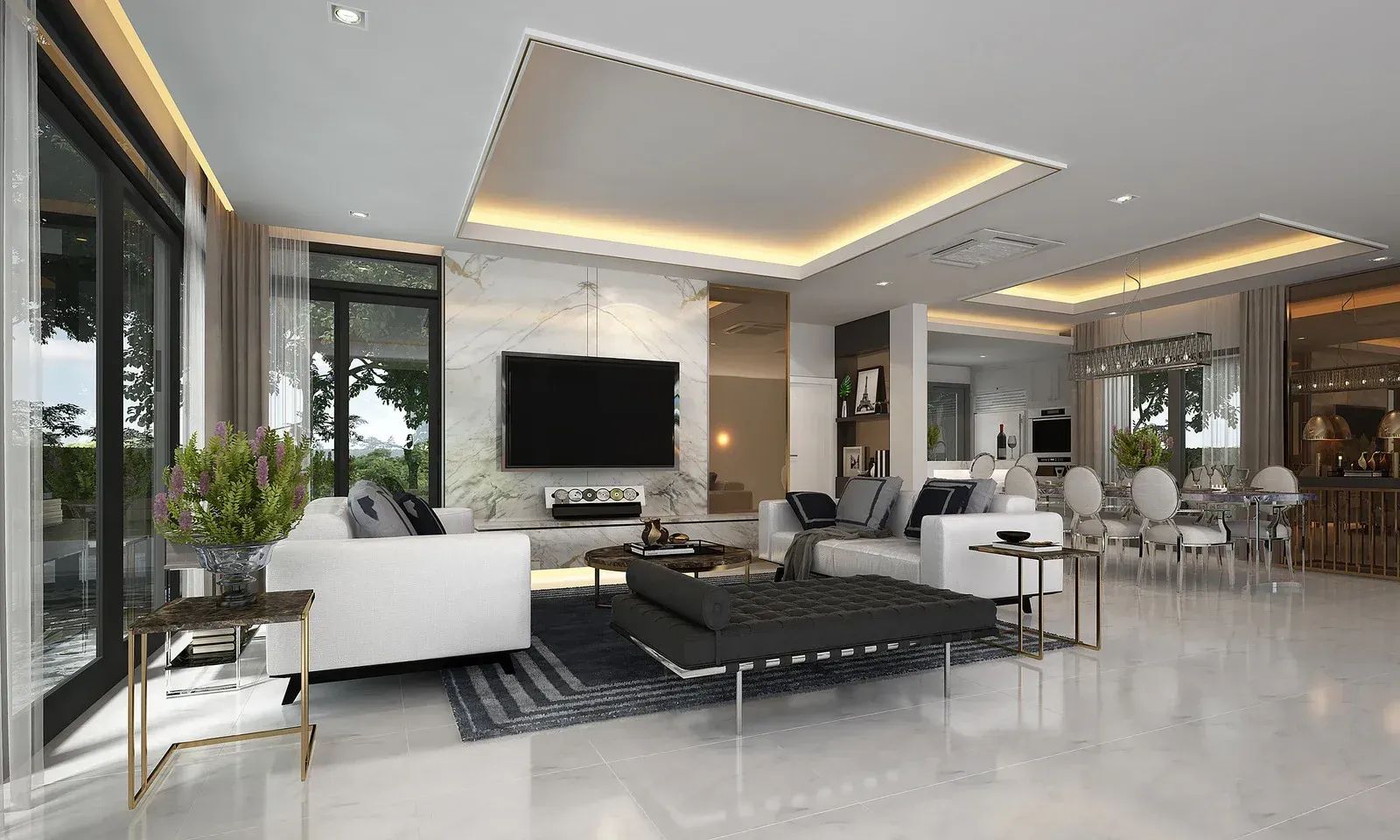
Spacious modern living room with white walls, marble accent wall, large TV, and white sofas.
February 23, 2026
Embarking on a home renovation project can be both exhilarating and daunting. Whether updating a single room or undertaking a complete overhaul, homeowners often find themselves navigating a complex web of decisions, timelines, and unexpected challenges.
Cozy living room with fireplace, arched doorway to kitchen, tan sofa, wooden floors, and recessed lighting.
December 22, 2025
Remodeling a home is more than a cosmetic upgrade; it is an investment in comfort, functionality, and long-term value. In today’s dynamic real estate market, homeowners are increasingly prioritizing spaces that not only reflect their personal style but also meet modern lifestyle demands.
Modern living room with grey sectional sofa, fireplace, and open kitchen with wood cabinets.
November 20, 2025
Homes today are more than just shelters—they are reflections of style, comfort, and evolving lifestyles. As design preferences shift and technology advances, homeowners increasingly look for ways to update and enhance their living spaces.
Spacious modern living room with white walls, marble accent wall, large TV, and white sofas.
February 23, 2026
Embarking on a home renovation project can be both exhilarating and daunting. Whether updating a single room or undertaking a complete overhaul, homeowners often find themselves navigating a complex web of decisions, timelines, and unexpected challenges.
Cozy living room with fireplace, arched doorway to kitchen, tan sofa, wooden floors, and recessed lighting.
December 22, 2025
Remodeling a home is more than a cosmetic upgrade; it is an investment in comfort, functionality, and long-term value. In today’s dynamic real estate market, homeowners are increasingly prioritizing spaces that not only reflect their personal style but also meet modern lifestyle demands.
Modern living room with grey sectional sofa, fireplace, and open kitchen with wood cabinets.
November 20, 2025
Homes today are more than just shelters—they are reflections of style, comfort, and evolving lifestyles. As design preferences shift and technology advances, homeowners increasingly look for ways to update and enhance their living spaces.
Show More