The Difference Between Residential and Commercial Remodeling
March 26, 2026

Remodeling is a significant investment that can transform any space, whether it’s a home or a business property. However, not all remodeling projects are created equal. Residential and commercial remodeling serve different purposes, follow distinct processes, and present unique challenges. Homeowners often focus on comfort, aesthetics, and personal preferences, while businesses prioritize functionality, safety, and efficiency. Understanding these differences is crucial before embarking on a remodeling project to ensure that goals are met and resources are effectively allocated.
Navigating the remodeling landscape requires more than just selecting materials and designs. Each type of project comes with its own set of regulations, design considerations, and construction practices. For example, commercial spaces may need to comply with strict building codes, ADA regulations, and accessibility requirements, whereas residential projects typically focus on local zoning laws and personal design preferences. By recognizing the distinctions between residential and commercial remodeling, property owners can make informed decisions, set realistic expectations, and achieve results that align with their objectives. This guide explores the key differences between residential and commercial remodeling, providing insights into planning, design, execution, and long-term maintenance, ensuring your investment delivers value and satisfaction.
Purpose and Scope of Remodeling
Residential Remodeling Objectives
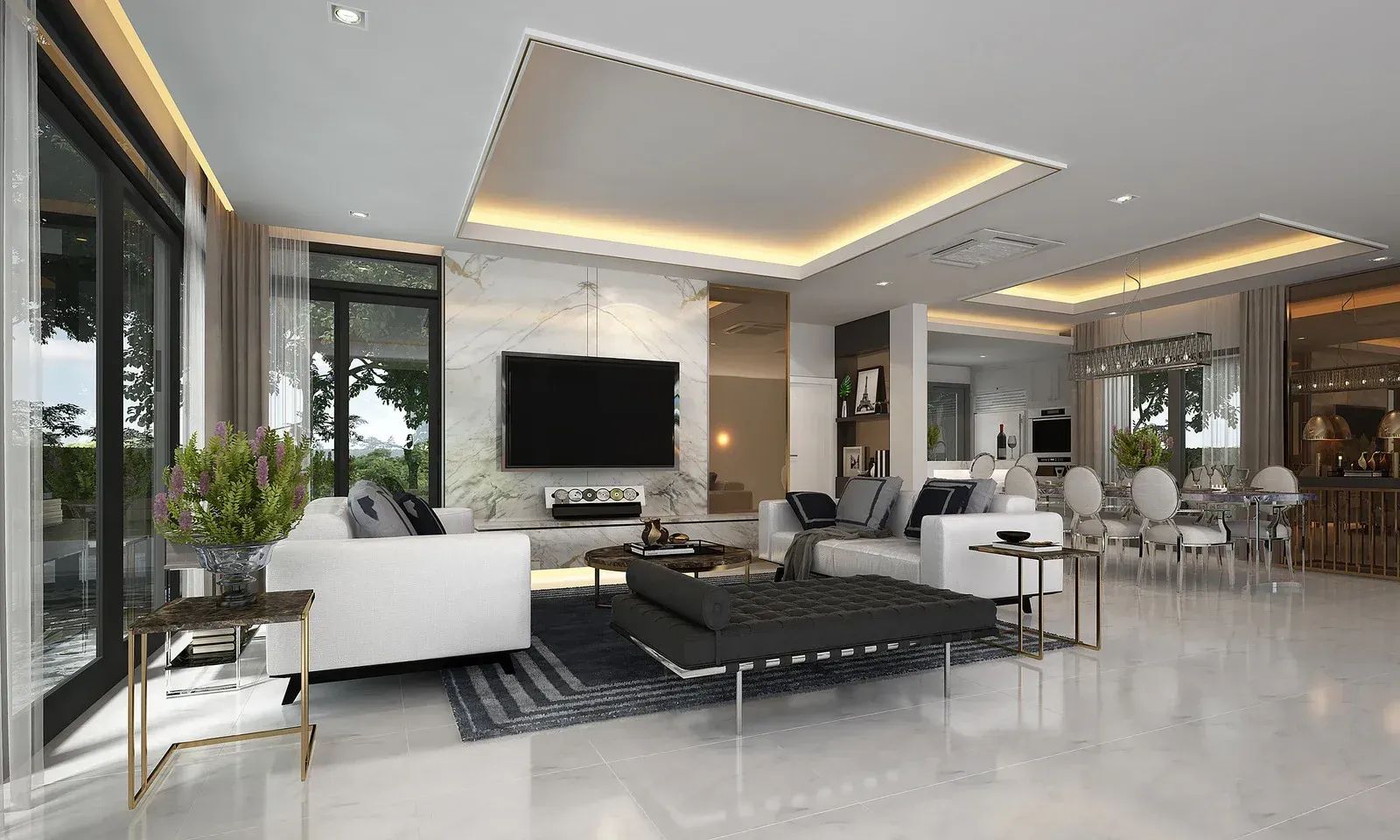
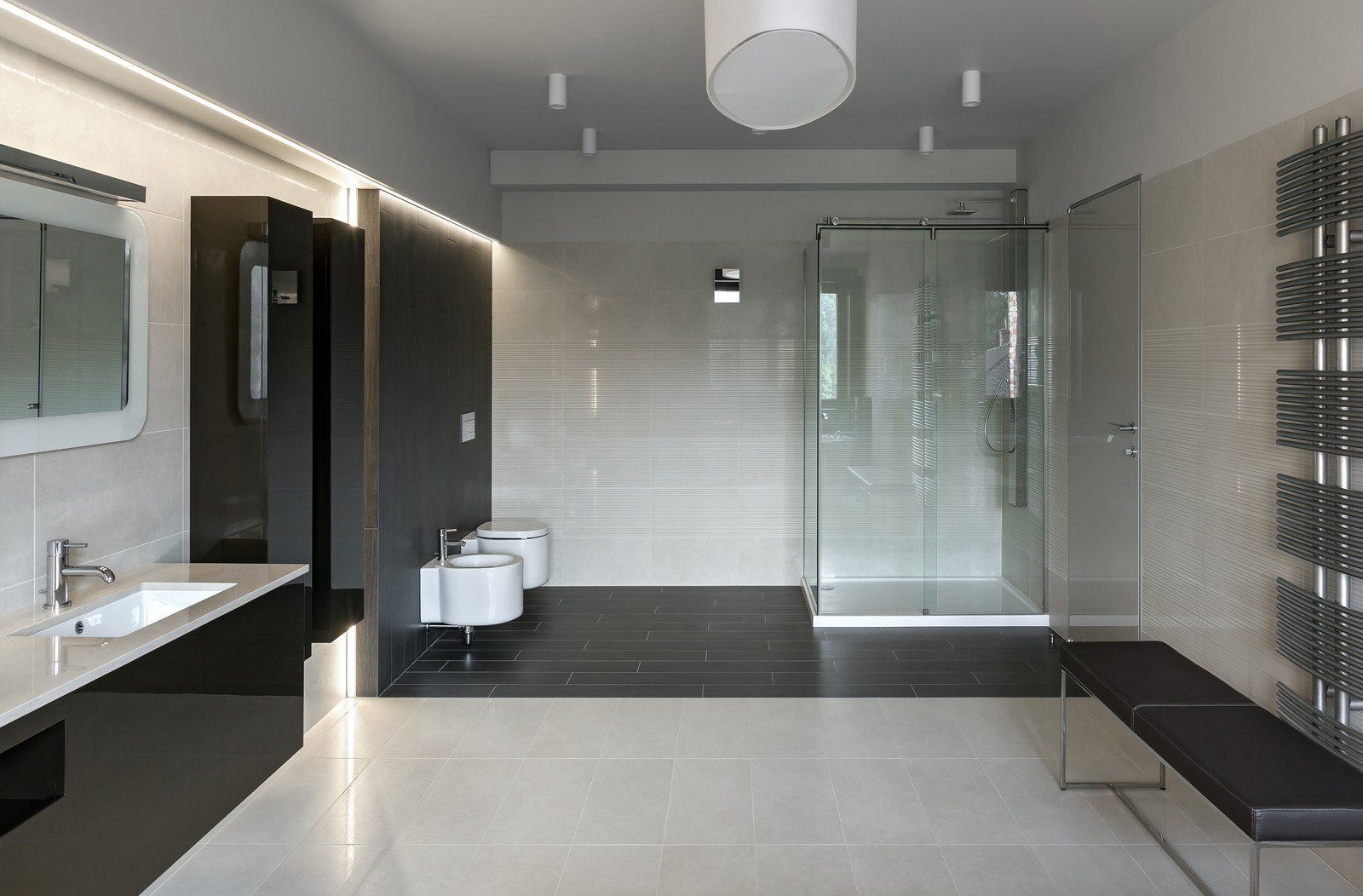
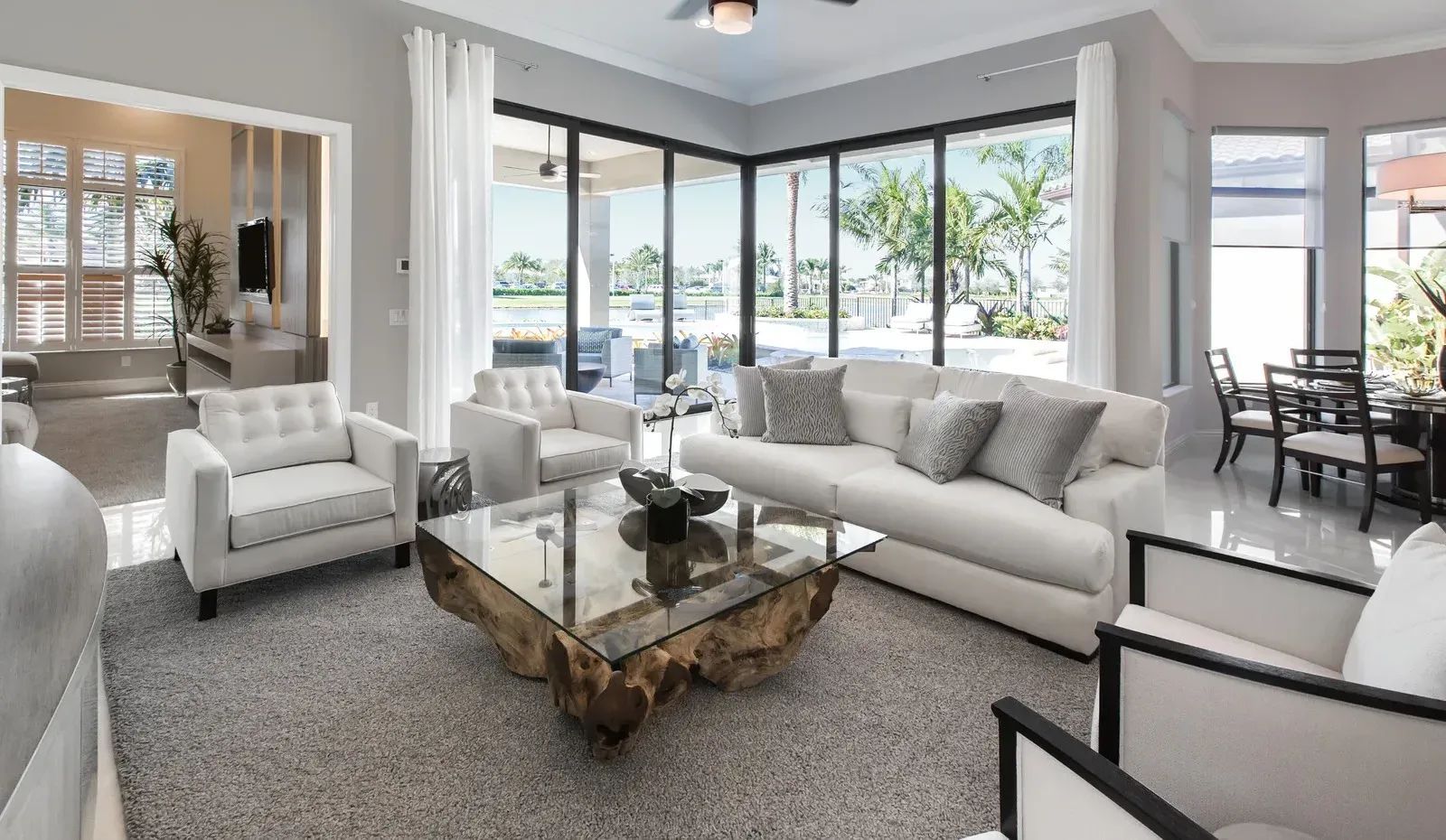
Residential remodeling focuses on enhancing a home’s livability, comfort, and aesthetic appeal. Homeowners may undertake remodeling to update outdated designs, increase property value, improve energy efficiency, or customize the space for specific lifestyle needs. Projects can range from minor upgrades such as kitchen renovations and bathroom remodels to extensive transformations like adding new rooms, finishing basements, or creating open-concept living areas.
The scope of residential remodeling is often guided by personal taste and lifestyle requirements. For instance, a family with young children may prioritize durable flooring and child-friendly designs, while retirees might focus on accessibility features. Unlike commercial remodeling, which emphasizes functionality for multiple users, residential projects are tailored to the preferences of a few individuals who live in the space.
Commercial Remodeling Objectives
Commercial remodeling aims to optimize spaces for business operations, safety, and customer experience. Companies often remodel to accommodate growth, improve workflow efficiency, comply with evolving safety regulations, or enhance brand image. Typical projects include office renovations, retail store redesigns, restaurant remodeling, and industrial space upgrades.
The scope of commercial remodeling is broader in terms of compliance and coordination. Businesses must consider building codes, fire safety standards, ADA accessibility, and sometimes environmental certifications like LEED. Commercial remodels are also designed to handle higher foot traffic, heavy equipment, and diverse functional requirements, making planning and execution more complex than residential projects.
Design Considerations and Aesthetic Priorities
Residential Design Focus
In residential remodeling, design choices are highly personal. Homeowners often prioritize aesthetics, comfort, and creating a cohesive style throughout the property. Elements like color schemes, lighting, cabinetry, flooring, and fixtures are selected to reflect personal taste and lifestyle.
For example, in a kitchen remodel, homeowners might choose materials based on durability, style, and ease of maintenance. Open layouts, large windows for natural light, and energy-efficient appliances are popular design features in residential spaces. Design professionals often collaborate closely with clients to ensure that the remodeling outcome aligns with both functionality and personal style.
Commercial Design Focus
Commercial remodeling places greater emphasis on functionality, brand identity, and operational efficiency. While aesthetics remain important, design decisions must accommodate business goals and practical considerations. For example, a retail store remodel may prioritize display layouts that maximize product visibility and traffic flow, while an office renovation might focus on ergonomic workstations and collaborative spaces.
Commercial design also incorporates regulatory compliance, such as emergency exits, ADA-accessible facilities, and appropriate signage. Materials and finishes are chosen not just for appearance but for durability, maintenance, and safety under high-traffic conditions. This dual focus on utility and branding makes
commercial remodeling more complex in terms of planning and execution.
Regulatory and Compliance Requirements
Residential Regulations
Residential remodeling projects are generally governed by local building codes, zoning laws, and permit requirements. Depending on the project scope, homeowners may need permits for structural changes, electrical work, plumbing updates, or exterior modifications. While compliance is essential, the regulatory burden is typically less stringent than in commercial projects.
For instance, adding a deck or converting a garage into a living space may require inspection and permits, but residential projects rarely involve the extensive safety and accessibility standards required in commercial spaces. Understanding local requirements ensures the project remains legal and avoids costly fines or delays.
Commercial Compliance Challenges
Commercial remodeling involves a higher level of regulatory oversight. Businesses must adhere to federal, state, and local regulations, including OSHA standards, ADA compliance, fire codes, and environmental regulations. Failure to comply can lead to severe penalties, insurance complications, and legal liabilities.
For example, a restaurant remodel must ensure fire suppression systems, proper ventilation, handicap-accessible entrances, and safe kitchen layouts. Office buildings must comply with occupational safety guidelines and emergency evacuation plans. Commercial contractors often need specialized knowledge to navigate these regulatory requirements efficiently. This complexity makes selecting an experienced commercial remodeling contractor critical to project success.
Budgeting and Cost Considerations
Residential Budget Factors
Budgeting for residential remodeling involves balancing cost with design and functionality. Material choices, labor, project complexity, and desired finishes all influence the overall expense. Homeowners often allocate contingency funds to account for unexpected issues such as structural repairs or hidden water damage.
Cost management strategies include phased renovations, prioritizing high-impact areas, and selecting cost-effective materials without compromising quality. For instance, replacing countertops and cabinets can dramatically improve kitchen aesthetics without a full-scale renovation, helping homeowners manage their budget while achieving significant visual impact.
Commercial Budget Factors
Commercial remodeling projects generally involve larger budgets due to the scale, regulatory requirements, and functional complexity. Costs can include extensive labor, specialized equipment, durable materials, and compliance-related expenses such as safety systems and inspections.
Businesses must also consider operational disruptions during remodeling. For example, retail stores may need to schedule renovations during off-hours or temporary closures to minimize revenue loss. Budget planning for commercial remodels often includes detailed cost estimates, phased project timelines, and contingency plans to mitigate financial risk while ensuring project goals are met.
Project Timeline and Execution
Residential Remodeling Timelines
Residential remodeling projects are usually shorter and more flexible than commercial projects. Depending on the scope, renovations can take a few weeks to several months. Homeowners often have the flexibility to adjust schedules or incorporate design changes during construction.
Effective project execution involves clear communication between homeowners, contractors, and designers. Regular updates, inspections, and decision-making checkpoints help keep projects on track. For example, a
bathroom remodel may involve sequential steps such as demolition, plumbing, electrical work, tiling, and finishing touches, each requiring careful coordination to avoid delays.
Commercial Remodeling Timelines
Commercial projects require meticulous planning due to their scale, operational impact, and regulatory obligations. Timelines are often longer, and project phases must be coordinated with business operations to minimize disruptions.
Project management for commercial remodels involves multiple stakeholders, including contractors, architects, engineers, and business management. Detailed schedules, strict deadlines, and contingency planning are essential. For instance, remodeling a corporate office may require phased work in sections to allow continued business operations while construction progresses in other areas. Proper execution ensures efficiency, compliance, and minimal operational interruptions.
Maintenance and Longevity Considerations
Residential Maintenance Needs
Residential remodeling projects typically focus on comfort, aesthetics, and moderate durability. While homeowners value long-lasting materials, maintenance expectations are generally manageable and handled by the residents themselves.
For example, hardwood flooring in a living room may require periodic refinishing, while kitchen countertops may need regular cleaning and sealing. Homeowners should select materials and finishes that balance beauty, cost, and ease of upkeep to ensure a functional and attractive home over time.
Commercial Longevity and Durability
Commercial remodels must account for high traffic, frequent use, and long-term durability. Materials and systems are selected for their resilience under constant wear and tear, with an emphasis on reducing maintenance costs and downtime.
For example, commercial flooring in retail or office spaces may include reinforced tiles or epoxy coatings that resist scratches and heavy loads. HVAC, plumbing, and electrical systems are designed to accommodate higher demand and longer operating hours. A well-planned commercial remodel enhances operational efficiency and reduces long-term maintenance challenges, making material selection and professional installation critical for sustainability.
Reliable Remodeling Professionals Committed to Exceptional Outcomes
Understanding the differences between residential and commercial remodeling is essential for property owners and business managers alike. Residential projects emphasize personal comfort, aesthetic appeal, and manageable maintenance, while commercial remodels prioritize functionality, compliance, and operational efficiency. Design considerations, regulatory requirements, budgeting, timelines, and material selection vary significantly between the two, requiring tailored approaches and specialized expertise. By recognizing these distinctions, property owners can make informed decisions that optimize both investment and long-term satisfaction.
For those seeking a reliable partner in remodeling, DEO Global Corp, based in Astoria, New York, offers over 18
years of experience transforming both residential and commercial spaces. As a trusted remodeling contractor, DEO Global Corp
combines industry expertise with personalized service, ensuring projects are executed efficiently, meet all regulatory standards, and deliver lasting value. Whether upgrading a home for modern living or enhancing a commercial property for operational success, our team prioritizes quality, professionalism, and client satisfaction at every stage of the remodeling process.